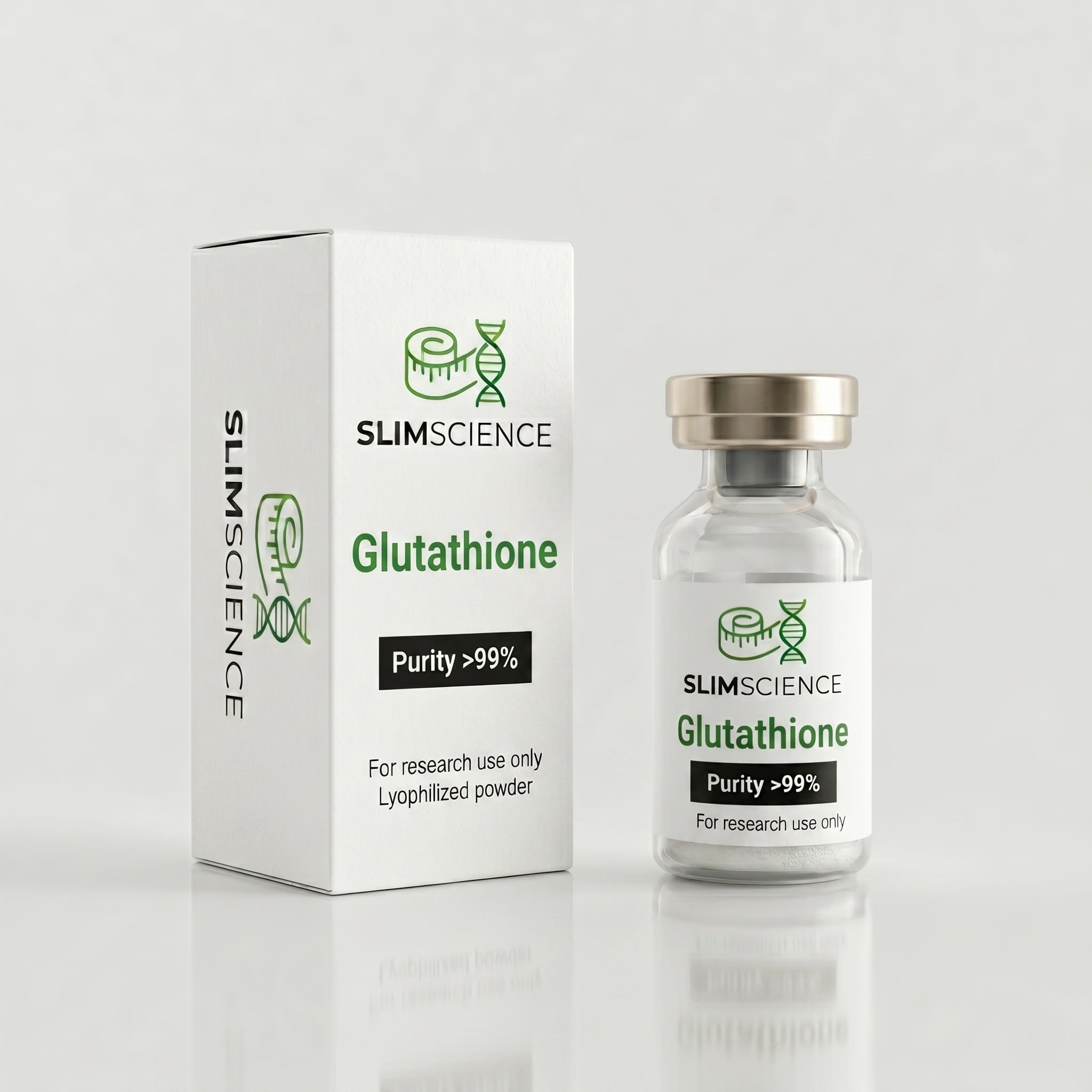
🧬 Pharmacological Profile
Glutathione is universally recognized as the master intracellular antioxidant. A biologically active tripeptide, it is composed of three amino acids: L-glutamine, L-cysteine, and L-glycine. In its reduced form (GSH), it serves as a critical electron donor, neutralizing reactive oxygen species (ROS) and free radicals before they can trigger cascading lipid peroxidation, DNA mutations, and mitochondrial membrane damage.
The primary therapeutic mechanism relies on Phase II conjugation pathways within hepatic tissue. By binding directly to electrophilic xenobiotics, heavy metals, and reactive metabolites via Glutathione S-Transferase (GST) enzymes, GSH renders toxic compounds water-soluble, facilitating prompt cellular export and renal clearance.
Additionally, Glutathione actively maintains other antioxidants in their active, reduced states. It recycles oxidized Vitamin C (ascorbic acid) and Vitamin E back into their functional configurations, preserving a robust systemic redox barrier against heavy environmental and metabolic oxidative loads.